

WhatsApp 0332-3582940
Shah Dental Clinic - Gulshan-e-Iqbal 02134963440 | 03323582940
Prof SSF & Associates - Bahadurabad 02134126771 | 03323923063
Dental Art Clinic - DHA Branch 02135243482 | 03327009030
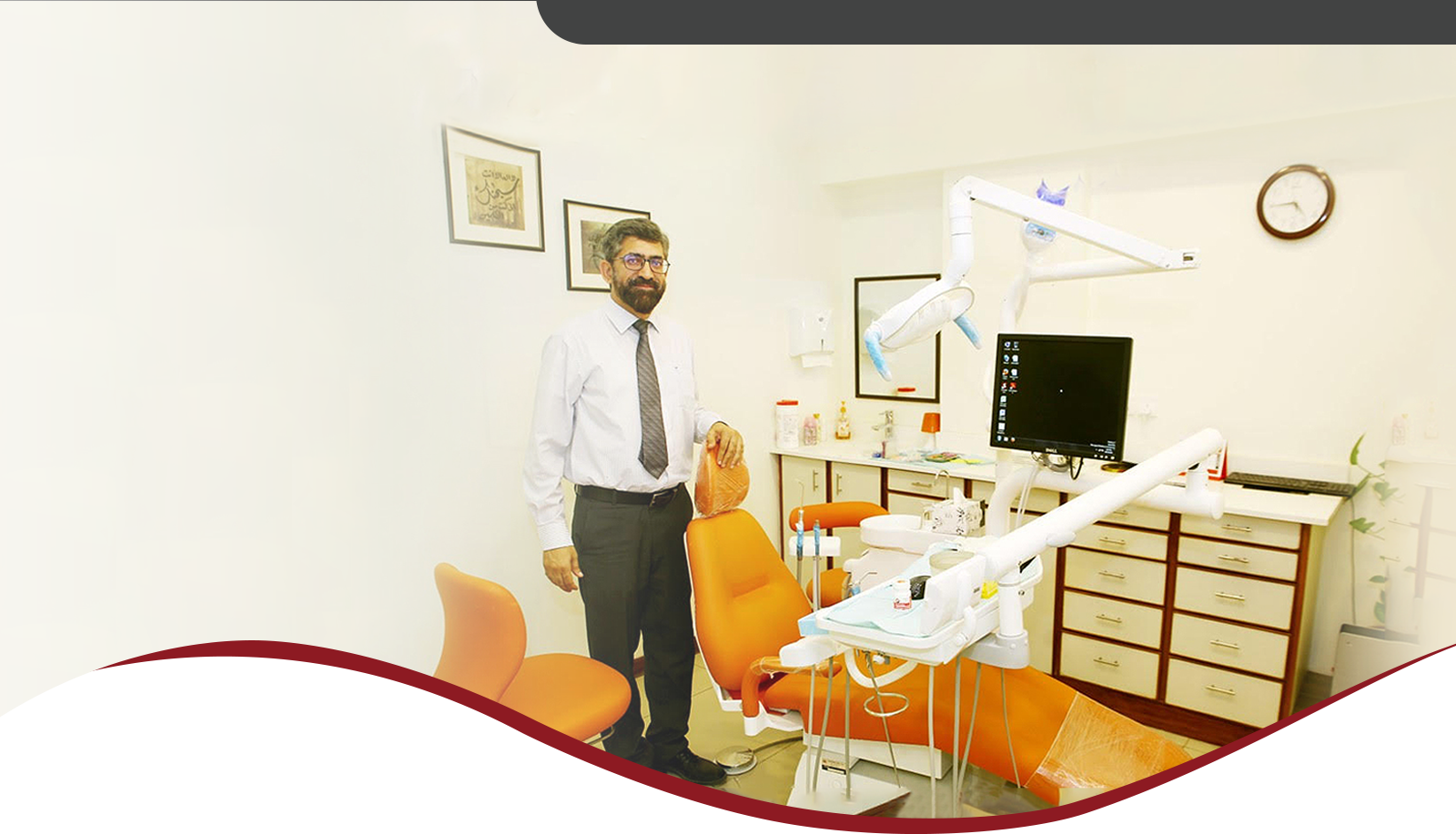
Modern dental clinic interior
#1 Dental Clinic in Pakistan

We Are Creating
Natural Beauty With

Extraordinary Smiles

Greetings and welcome to Shah Dental Clinic
(Prof. Syed Shah Faisal & Associates).
We are proud to serve the people of
Karachi since 1998.

Dentist treating patient
#1 Dental Clinic in Pakistan

We Are Creating
Natural Beauty With

Extraordinary Smiles

Greetings and welcome to Shah Dental Clinic
(Prof. Syed Shah Faisal & Associates).
We are proud to serve the people of
Karachi since 1998.

1 / 2

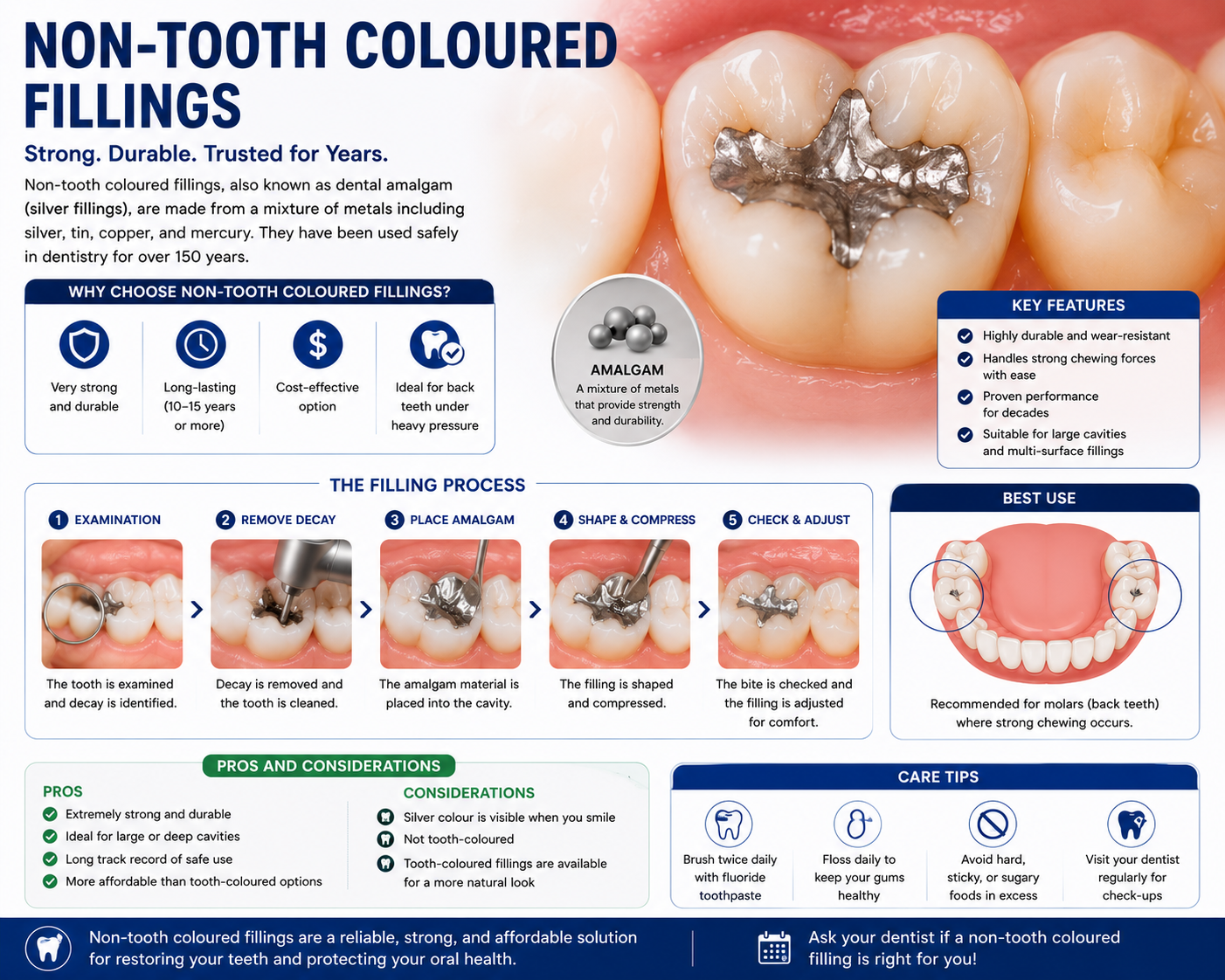
Non-Tooth Coloured Fillings When it comes to repairing cavities or damaged teeth, dental fillings are one of the most common and effective solutions. While many people today prefer tooth-coloured fillings for their natural appearance, non-tooth coloured fillings—commonly known as silver (amalgam) fillings—are still widely used and trusted for their strength and durability. What Are Non-Tooth Coloured Fillings? Non-tooth coloured fillings are usually made from dental amalgam, which is a safe and strong material composed of a mixture of silver, mercury, tin, and copper. Unlike white (composite) fillings that blend with the natural shade of teeth, amalgam fillings appear metallic, making them more visible in the mouth. Advantages of Non-Tooth Coloured Fillings Durability: They are extremely strong and can last for many years, even in areas of the mouth that endure heavy chewing forces. Cost-Effective: Amalgam fillings are generally less expensive compared to composite or porcelain alternatives. Quick Placement: The process of placing amalgam fillings is relatively straightforward and efficient. Resistance to Wear: These fillings can withstand significant pressure and are less likely to chip compared to some tooth-coloured options. Disadvantages of Non-Tooth Coloured Fillings Aesthetics: Their metallic colour makes them more noticeable, especially in front teeth or visible areas. Temperature Sensitivity: They may expand or contract with hot or cold foods, potentially causing small cracks over time. Mercury Content: Although the mercury in amalgam is bound and considered safe, some patients may prefer mercury-free alternatives. When Are They Used? Dentists often recommend non-tooth coloured fillings for: Large cavities in back teeth (molars) where strength is most important. Patients who want a more affordable option. Situations where long-lasting durability is a priority. Alternatives to Non-Tooth Coloured Fillings Patients who are concerned about appearance or mercury content may consider alternatives such as: Composite (tooth-coloured) fillings Porcelain inlays/onlays Gold fillings Conclusion Non-tooth coloured fillings continue to be a reliable, strong, and cost-effective choice in dentistry. While they may not provide the natural look of tooth-coloured options, their proven strength and longevity make them an excellent option—especially for back teeth where appearance is less of a concern.
Non-Tooth Coloured Fillings When it comes to repairing cavities or damaged teeth, dental fillings are one of the most common and effective solutions. While many people today prefer tooth-coloured fillings for their natural appearance, non-tooth coloured fillings—commonly known as silver (amalgam) fillings—are still widely used and trusted for their strength and durability. What Are Non-Tooth Coloured Fillings? Non-tooth coloured fillings are usually made from dental amalgam, which is a safe and strong material composed of a mixture of silver, mercury, tin, and copper. Unlike white (composite) fillings that blend with the natural shade of teeth, amalgam fillings appear metallic, making them more visible in the mouth. Advantages of Non-Tooth Coloured Fillings Durability: They are extremely strong and can last for many years, even in areas of the mouth that endure heavy chewing forces. Cost-Effective: Amalgam fillings are generally less expensive compared to composite or porcelain alternatives. Quick Placement: The process of placing amalgam fillings is relatively straightforward and efficient. Resistance to Wear: These fillings can withstand significant pressure and are less likely to chip compared to some tooth-coloured options. Disadvantages of Non-Tooth Coloured Fillings Aesthetics: Their metallic colour makes them more noticeable, especially in front teeth or visible areas. Temperature Sensitivity: They may expand or contract with hot or cold foods, potentially causing small cracks over time. Mercury Content: Although the mercury in amalgam is bound and considered safe, some patients may prefer mercury-free alternatives. When Are They Used? Dentists often recommend non-tooth coloured fillings for: Large cavities in back teeth (molars) where strength is most important. Patients who want a more affordable option. Situations where long-lasting durability is a priority. Alternatives to Non-Tooth Coloured Fillings Patients who are concerned about appearance or mercury content may consider alternatives such as: Composite (tooth-coloured) fillings Porcelain inlays/onlays Gold fillings Conclusion Non-tooth coloured fillings continue to be a reliable, strong, and cost-effective choice in dentistry. While they may not provide the natural look of tooth-coloured options, their proven strength and longevity make them an excellent option—especially for back teeth where appearance is less of a concern.

NON TOOTH COLOURED FILLING

NON TOOTH COLOURED FILLING

  • Speciality: TOOTH CLEANING
"Non-Tooth Coloured Fillings When it comes to repairing cavities or damaged teeth, dental fillings are one of the most common and effective solutions. While many people today prefer tooth-coloured fillings for their natural appearance, non-tooth coloured fillings—commonly known as silver (amalgam) fillings—are still widely used and trusted for their strength and durability. What Are Non-Tooth Coloured Fillings? Non-tooth coloured fillings are usually made from dental amalgam, which is a safe and strong material composed of a mixture of silver, mercury, tin, and copper. Unlike white (composite) fillings that blend with the natural shade of teeth, amalgam fillings appear metallic, making them more visible in the mouth. Advantages of Non-Tooth Coloured Fillings Durability: They are extremely strong and can last for many years, even in areas of the mouth that endure heavy chewing forces. Cost-Effective: Amalgam fillings are generally less expensive compared to composite or porcelain alternatives. Quick Placement: The process of placing amalgam fillings is relatively straightforward and efficient. Resistance to Wear: These fillings can withstand significant pressure and are less likely to chip compared to some tooth-coloured options. Disadvantages of Non-Tooth Coloured Fillings Aesthetics: Their metallic colour makes them more noticeable, especially in front teeth or visible areas. Temperature Sensitivity: They may expand or contract with hot or cold foods, potentially causing small cracks over time. Mercury Content: Although the mercury in amalgam is bound and considered safe, some patients may prefer mercury-free alternatives. When Are They Used? Dentists often recommend non-tooth coloured fillings for: Large cavities in back teeth (molars) where strength is most important. Patients who want a more affordable option. Situations where long-lasting durability is a priority. Alternatives to Non-Tooth Coloured Fillings Patients who are concerned about appearance or mercury content may consider alternatives such as: Composite (tooth-coloured) fillings Porcelain inlays/onlays Gold fillings Conclusion Non-tooth coloured fillings continue to be a reliable, strong, and cost-effective choice in dentistry. While they may not provide the natural look of tooth-coloured options, their proven strength and longevity make them an excellent option—especially for back teeth where appearance is less of a concern."
Home Services Contact